Comment on “A Journey into AI-Enhanced History Teaching” by Patrick Hickey
EUROCLIO published an article “Bridging the Past and Future: The Impact of AI on History Education – A Journey into AI-Enhanced History Teaching” and I have some comments.
EUROCLIO published an article “Bridging the Past and Future: The Impact of AI on History Education – A Journey into AI-Enhanced History Teaching” and I have some comments.

This Study Guide was developed as part of the project Critical History: Adapting history education to the challenges of today’s digitized, globalized, and diverse societies in Europe. An Erasmus+ Project (2020-1-EE01-KA201-077997), the project was led by Tallinn University. The Study Guide is aimed at students at teacher trainer colleges and practicing history teachers.
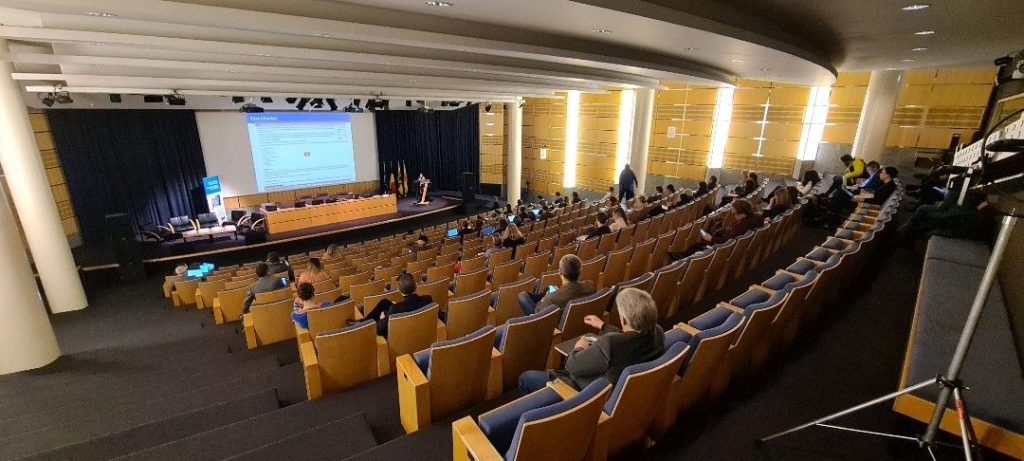
This week, I participated in the “The Consequences of Digital Age on History Education” round table as part of the “History Education in the digital age” forum. Together with Steven Segers (EuroClio) and Rūta Kazlauskaitė (University of Helsinki), we discussed how the digital age influenced history teaching. The discussion was moderated by Jean-Philippe Restoueix.
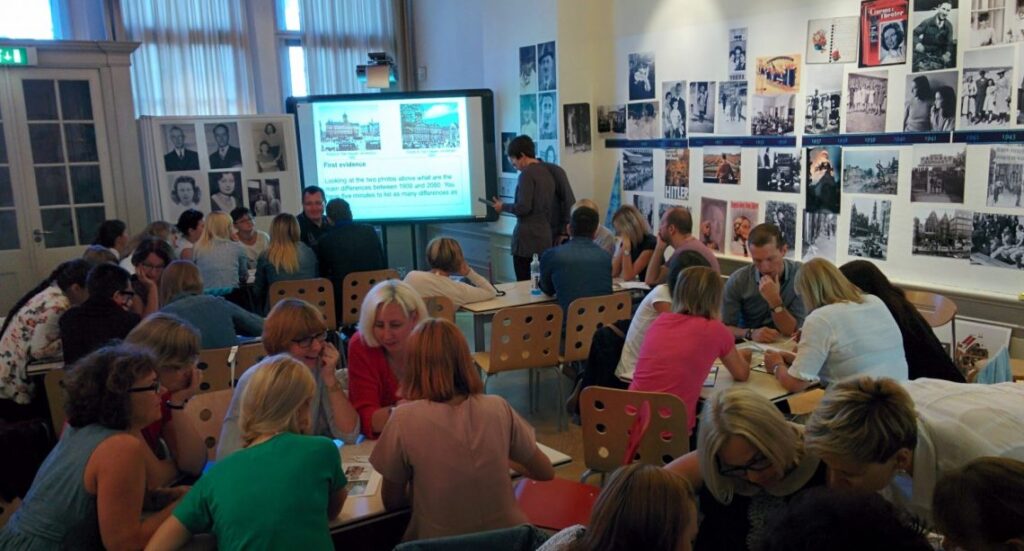
The IHEA project team participated on August 24 in an educational program for Polish teachers at the Anne Frank House in Amsterdam. Richard Kennett, Helen Snelson, Pascal Tak, and Miljenko Hajdarović conducted workshops for 32 primary and secondary school teachers. The Polish teachers took part in various activities organized by the House of Peace (Fundacja
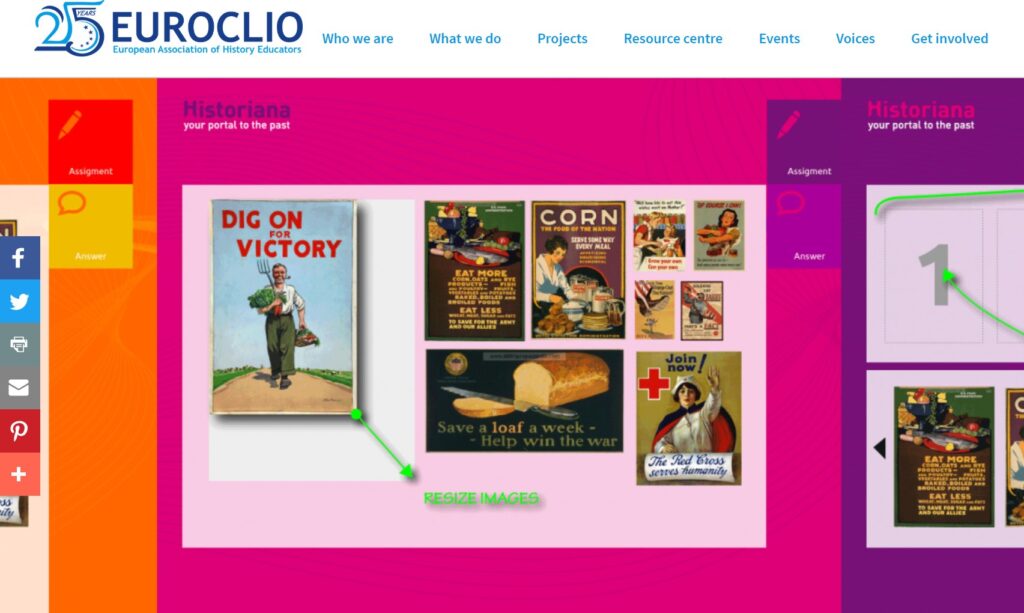
At the end of August, the second working meeting of the expert team for the project “Innovative History Education for All” was held in The Hague. This three-year project is part of the long-term development of the historiography portal Historiana. The project leader is EuroClio, the European association of history teachers. The project coordinators are