Author name: Miljenko Hajdarović

Proud HISTOLAB Fellow

It is a special honour for me to be among the first four HISTOLAB fellows. HISTOLAB seeks to reinvigorate the field of history education by bringing together innovative ideas and projects about how to improve the teaching of history with a view to strengthening democratic culture in Europe and beyond.

Reflecting on the International Educational Conference: “The Tools of Here and Now in Teaching About Then”

From June 27-29, 2023, I participated in the International Educational Conference, “The Tools of Here and Now in Teaching About Then,” hosted at the International Centre for Education about Auschwitz. This event brought together educators, museum professionals, historians, and technology experts dedicated to bridging the gap between past atrocities and present-day learning methods. Our shared

The Reality of Digital Teaching of History in Croatia

The article, “The Reality of Digital Teaching of History in Croatia” by Miljenko Hajdarović, explores the gradual integration of digital technologies into Croatian history education. It outlines a shift from initial resistance to broader acceptance of ICT tools, particularly spurred by projects like “School for Life” and adaptations during the COVID-19 pandemic.

Futurology methods as an upgrade of history teaching

The article Futurology Methods as an Upgrade of History Teaching advocates for integrating futurology into history education to enhance critical thinking, creativity, and adaptability. Traditionally, history teaching in Croatia has focused on fact retention and identity formation, but recent shifts emphasize developing cognitive skills. The current curriculum, however, is overloaded with content, limiting students’ ability

Second Forum on History Education

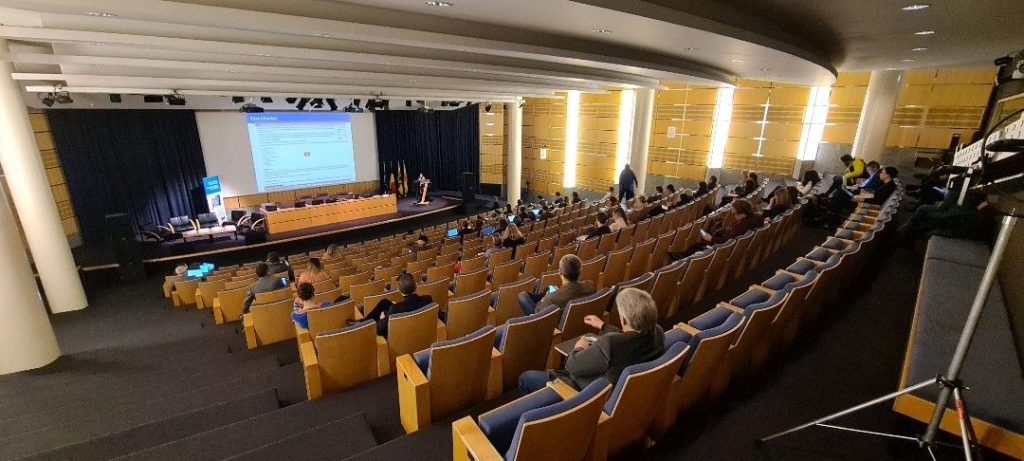
This week, I participated in the “The Consequences of Digital Age on History Education” round table as part of the “History Education in the digital age” forum. Together with Steven Segers (EuroClio) and Rūta Kazlauskaitė (University of Helsinki), we discussed how the digital age influenced history teaching. The discussion was moderated by Jean-Philippe Restoueix.

In commemoration of Holocaust Remembrance Day

When commemorating Holocaust victims on January 27, we should never forget that the Holocaust is part of our Croatian history. It’s crucial to identify the perpetrators – the Ustaše and their collaborators who, under their slogan “For the Homeland – Ready,” killed not only Jews but also Serbs, Roma, Croats, antifascists, and others they deemed

Scroll to Top